
Betting on AI Behavior: Predicting Outputs or Decisions of AI Systems in Competitions or Creative Tasks


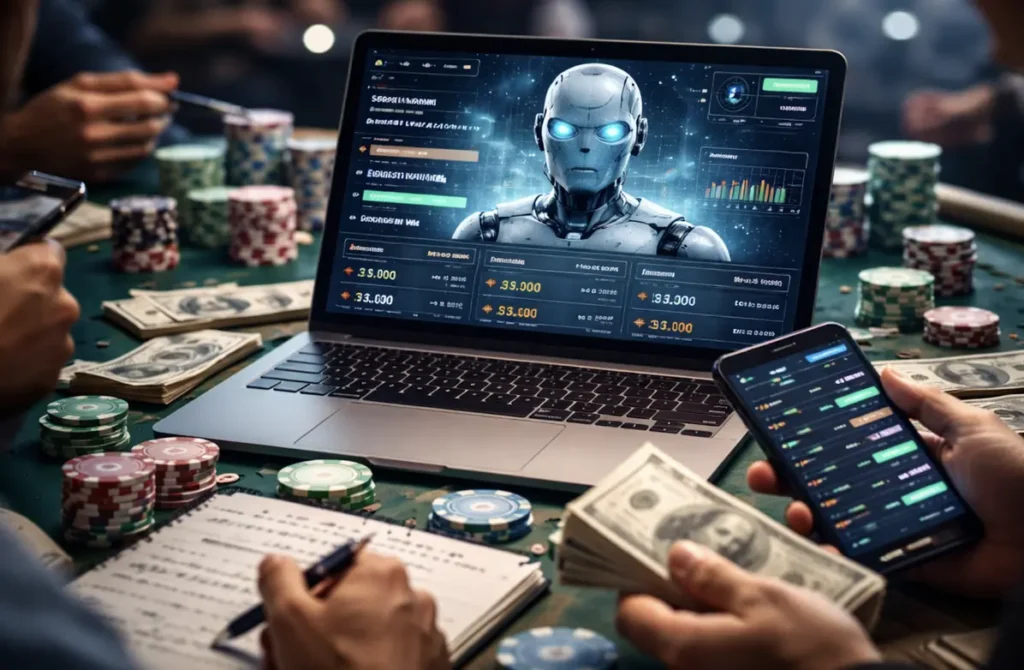

People have always bet on things they cannot control. Sports, markets, and games all depend on uncertainty. Now that uncertainty includes machines. AI can write, draw, make music, and plan strategies. Its behavior often feels unpredictable. This type of betting focuses on choices, styles, and reactions. Will an AI play it safe or take risks? Will it repeat patterns or break them? These questions feel abstract. Yet they now shape real competitions and predictions at 22 Bet online casino.
When AI Becomes the Competitor
AI systems now compete in structured environments. They enter writing challenges, art contests, and strategy games. Some face human judges. Others face rival AI systems. In each case, behavior matters as much as results. How the AI reaches an outcome becomes part of the contest. This shift changes how people watch competitions. Spectators stop asking who wins. They ask how the AI behaves under pressure. Does it stay consistent? Does it adapt? These behavioral clues create betting opportunities.
Why AI Behavior Feels Predictable
AI is built on patterns learned from data. Those patterns shape every response it gives. Even when outputs vary, tendencies remain. Some models favor long explanations. Others prefer short and cautious replies. These traits repeat often enough to notice. People begin to treat AI like players. They assign personalities to models. One feels bold. Another feels conservative. These labels are human shortcuts. But they help bettors form expectations.
Creative Tasks Turn Betting Into Interpretation
Creative AI tasks have no right answer. They are judged by style and tone, not rules. This makes prediction more complex. It also makes betting more interesting. Outcomes depend on taste, not rules alone. In writing contests, bettors guessthe voice and mood. In art challenges, they predict color and structure. In music tasks, they anticipate rhythm choices. These bets feel closer to art criticism. They reward insight over calculation. They blur the line between analysis and intuition.
Competitive AI Events Create Behavioral Odds
Formal AI competitions now set clear constraints. Time limits, prompts, and scoring systems shape behavior. Models react differently to these pressures. Some rush and make errors. Others slow down and lose points. These reactions influence betting odds. Bettors study past performances carefully. They look for stress responses. They track how models behave when rules tighten. This feels similar to sports analytics. Except the athlete is code. And the coach is an algorithm designer.
The Human Psychology Behind AI Betting
Humans naturally look for patterns. They do this even when randomness exists. With AI, this tendency grows stronger. Machines feel objective, so predictions feel safer. That confidence can be misleading. But it still drives behavior. People also anthropomorphize AI. They describe models as shy or aggressive. These descriptions feel emotional. They shape betting decisions subconsciously. This mirrors how fans talk about teams.
Data-Driven Bets Versus Intuitive Guesses
Some bettors rely on instinct alone. They trust gut feeling and recent impressions. Others take a colder approach. They collect logs and output histories. They measure refusal rates and response length. Data turns guessing into analysis. This creates two betting cultures. One is emotional and fast. The other is slow and statistical. Both exist side by side. Both can succeed or fail. The difference lies in consistency over time.
Uncertainty and Model Drift
AI models change often. Updates alter behavior without warning. A single patch can erase old patterns. This makes long-term prediction difficult. It also keeps betting risky. Stability is never guaranteed. Model drift creates a moving target. Bettors must constantly adapt. Old data loses value quickly. This uncertainty attracts risk-takers. It also scares conservative players away. The market stays volatile by nature.
Ethical Questions Still Without Answers
Betting on AI behavior raises concerns. Some worry about exploiting model weaknesses. Others question insider knowledge. Developers may understand systems better than outsiders. This creates uneven playing fields. Fairness becomes hard to define. There is also the issue of influence. If betting affects incentives, behavior may shift. Models could be tuned for spectacle. Or for predictability. Rules have not caught up yet. For now, ethics remain unresolved.
AI Versus AI: Betting Without Human Bias
When AI systems compete against each other, the dynamic changes. There is no emotion, no crowd pressure, and no fatigue. Both sides react only to data and constraints. This removes many human variables. It makes behavior patterns clearer and easier to track. Bettors focus on adaptation speed in these matchups. They watch how quickly one model adjusts to the other. Some systems loop or repeat mistakes. Others shift strategy mid-task. These differences often decide the outcome. They also shape reliable betting angles.
The Role of Prompts in Shaping Outcomes
Prompts act like starting conditions in a race. A small wording change can alter behavior completely. Some models respond strongly to framing. Others remain stable regardless of phrasing. This sensitivity becomes a key factor in prediction. Experienced bettors study prompt-response history. They test variations and track output shifts. This helps them anticipate behavior before contests begin. In some cases, the prompt matters more than the model. Understanding this relationship offers a strong edge. It turns preparation into the main advantage.
When AI Learns From Feedback Loops
Most AI systems already adjust through feedback. They learn from ratings, corrections, and outcomes. If betting markets grow, feedback may intensify. Behavior could drift toward crowd preferences. Surprise or safety might be rewarded indirectly. This creates a feedback loop between prediction and behavior. The act of betting may influence outcomes. Just like in human sports, incentives reshape performance. Over time, AI may become harder to predict. Not because it is smarter. But because the environment around it has changed.

No comments yet